
The rules of brand storytelling changed in 2022 and most brands didn't get the memo. The formats, lengths, and emotional registers that drove brand recall for a decade no longer work the same way, because the media environment those formats were built for no longer exists. The audience that reliably sat through a 90-second emotional brand film before a YouTube video is now watching TikTok. The viewer who watched a 3-minute documentary-style case study is now scrolling LinkedIn between 20-second clips.
This doesn't mean brand storytelling is less important. Research consistently shows that narrative-driven brand content drives significantly higher recall and purchase intent than pure promotional content. What it means is that the delivery mechanism for brand stories has fundamentally changed, and the brands winning in 2025 have rebuilt their storytelling strategy around that new reality.
What the Data Says About Format Performance
The Format Landscape in 2025
Short-Form Narrative (15-60 seconds)
Short-form narrative is the most challenging and most valuable format in brand storytelling right now. It requires telling a complete, emotionally resonant story in under 60 seconds, a constraint that demands extraordinary creative discipline. The brands doing this well have essentially invented a new storytelling grammar: single character, single moment, single emotional truth. No subplot. No second act. Just a precise emotional detonation in under a minute.
The technical requirements for short-form narrative are specific: the hook must be immediate (first 2 seconds), the emotional peak must arrive before the 45-second mark, and the brand integration must feel like part of the story rather than a logo card bolted onto the end. Get any one of these wrong and the viewer is gone.
Documentary-Style Brand Film (2-5 minutes)
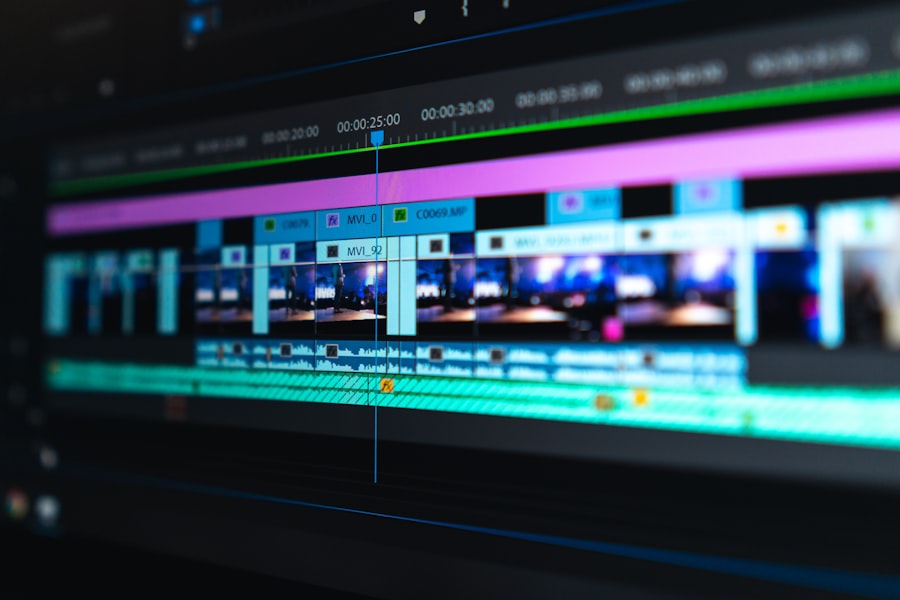
The documentary-style brand film has seen a significant resurgence in 2025, and for good reason. In an environment saturated with polished, scripted content, raw authenticity cuts through. When a brand shows real people, employees, customers, founders, speaking candidly about their actual experience, it creates a credibility that no scripted alternative can match.
The best documentary-style brand films feel like they happened, not like they were made. The production quality should be invisible. Handheld camera, available light, unscripted moments, these elements signal authenticity to a viewer who has developed a finely-tuned detector for manufactured sincerity.
Episodic Content (Series Format)
The most forward-thinking brands in 2025 are not producing campaigns, they are producing content series. A 6-episode documentary series. A recurring short-form show. A monthly long-form conversation. The episodic format creates something that a single piece of content never can: anticipation. When viewers come back for the next episode, the brand has achieved the most valuable outcome in media: voluntary, recurring attention.
Brand Storytelling Format Effectiveness (2025 benchmark)
The Authenticity Imperative
The overriding theme across every high-performing brand storytelling format in 2025 is authenticity. Not the performed authenticity of a brand that has decided to 'be more human' in its communications. Actual authenticity: real people, real stories, real moments of difficulty and resolution. Audiences have become extraordinarily sophisticated at detecting the difference.
The Authenticity Spectrum in Brand Storytelling
High Authenticity
- Real customer stories
- Documentary footage
- Unscripted moments
- Founder narratives
Medium Authenticity
- Based on true stories
- Semi-scripted interviews
- Real locations
- Genuine testimonials
Low Authenticity
- Scripted scenarios
- Stock-feeling visuals
- Generic voice
- Branded resolution
Signals to Avoid
- Overly-perfect cast
- Convenient emotion
- Brand as hero
- Unearned resolution
"The most powerful brand story you have is usually the one your team is most nervous about telling. The vulnerability is the value."
- Brand Director, Holly Films
The Production Implications
The shift toward authenticity and documentary aesthetics has practical implications for how brand films should be produced. The instinct to control every element, perfect lighting, scripted dialogue, hired talent, polished locations, often produces content that feels precisely as corporate as it is. The documentary approach accepts imperfection as a feature rather than a bug.
- Brief your director on emotional authenticity first, 'this should feel real' is as important as any visual or messaging brief
- Consider casting real customers alongside professional talent, the contrast itself tells a story
- Plan for documentary coverage even in scripted shoots, unguarded moments on set are often the most compelling material
- Invest in the sound before the visual, authentic storytelling requires authentic sound design
- Build your episodic strategy around a genuine theme your brand owns, not just content for its own sake
- Test documentary-style content against scripted alternatives, the performance data usually tells a clear story
The shift you should make this year
If your brand storytelling strategy in 2025 looks like your 2019 strategy with shorter videos, you're not keeping up with how the medium has changed. The formats, aesthetics, and emotional registers that cut through today are fundamentally different. The good news: the most effective brand storytelling right now often costs less to produce, requires less control, and creates more genuine connection than the polished campaigns it's replacing.