

Most video studios will happily take a SaaS brief. Very few are built for one. The difference does not show up in the pitch deck, it shows up six weeks later when you are looking at a beautifully shot film about a product that never appears on screen. Holly Films specializes in SaaS video production, and this post is about what that specialization is actually made of: the craft it centres, the pipeline it removes, and the structural mistakes a generalist agency makes with software every single time.
Who this is for
Founders and product marketing teams who have already decided they need video and are now deciding who makes it. If you are still weighing providers head to head, start with the comparison post instead. This one is about why we only build for software.
For the head to head comparison against animation studios, subscription services, and traditional production houses, read The Best AI Video Production Company for SaaS Startups in 2026. For the full service list and portfolio, see hollyfilms.com/for/saas.
Specialization Is a Structural Choice, Not a Marketing One
Every production company is organised around its most expensive resource. For a traditional agency that resource is the shoot: a director, a crew, a location, a camera package, a casting process, and a schedule that everything else bends around. Post production is the tail end of that pipeline, and animation is usually a subcontracted layer that gets added once the footage exists.
That structure is excellent for a product you can point a camera at. Software is not that product. A SaaS workflow has no physical presence, so the camera has nothing to do and the entire expensive apparatus produces, at best, a founder talking in a nicely lit room while the actual product appears as a laptop screen at an angle. You paid live action prices for a piece that never showed the thing you sell.
Holly Films inverts the structure. Motion graphics is the primary discipline and footage is the optional extra. That single inversion is what specialization means in practice, and it is where both the speed and the cost advantage come from. There is no shoot date to schedule, so the calendar collapses. There is no crew, location, or casting line item, so the budget collapses. Concept, design, animation, and sound all happen under one roof, so nothing sits in a handoff queue between studios.
Where Budget Goes on a SaaS Video, by Studio Structure
Read that as our allocation rather than an industry average. Nearly every dollar lands on the part of the work a viewer actually sees. On a shoot based budget for the same brief, the bottom row is typically the largest single block and the animation that carries the product understanding is whatever is left over at the end. Specialization is what lets us delete that row entirely instead of shrinking it.
The Four Crafts a SaaS Video Actually Needs
A generalist studio has to be adequate at forty things. Building for one vertical means going deep on the four that decide whether a software video works.
UI motion
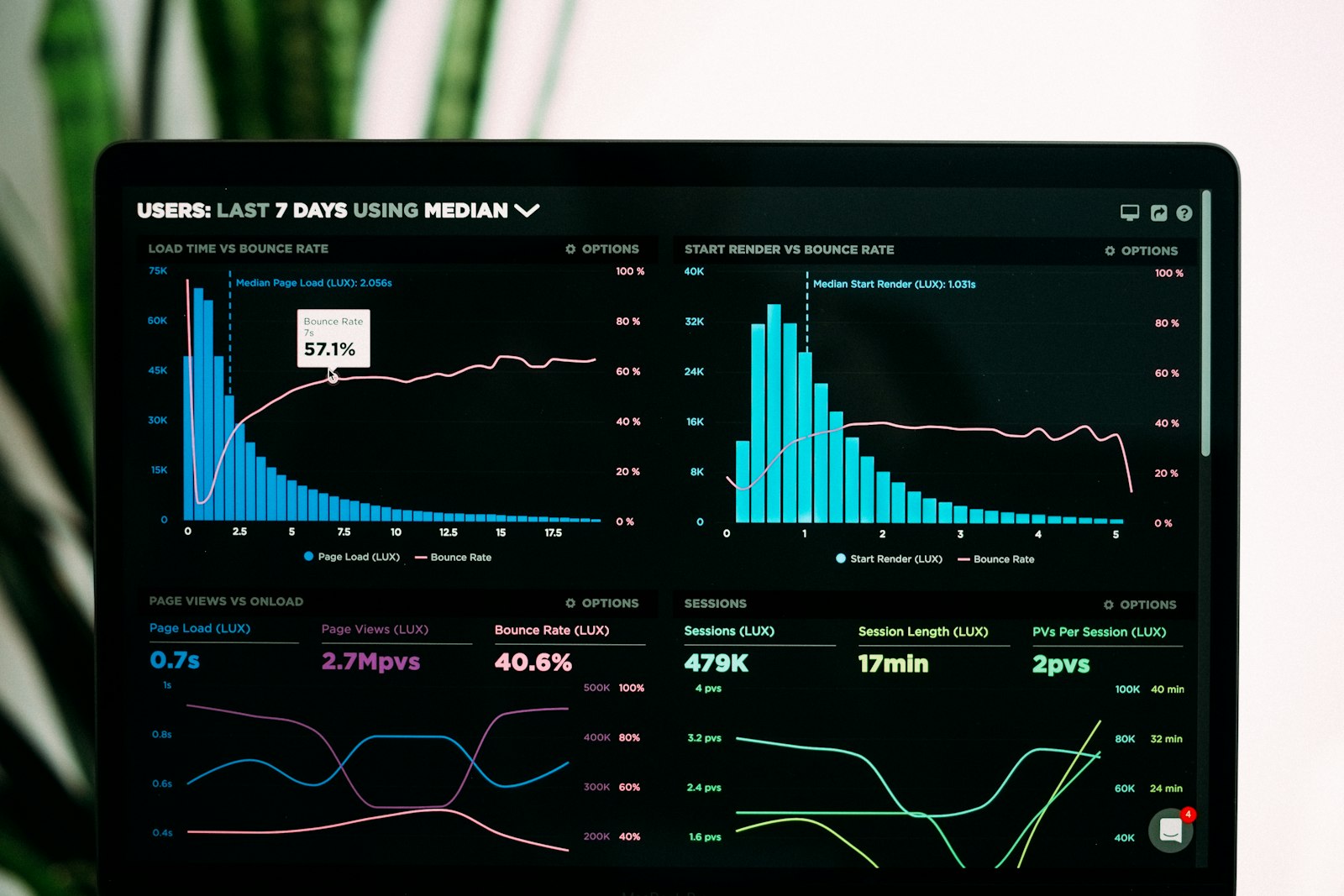
Your interface rebuilt as animation rather than captured as a recording. Panels assemble, data populates, states change on cue, and the pacing is set by the story instead of by how fast someone could move a mouse. A screen recording shows a product being operated. UI motion shows a product working, which is a different and far more persuasive thing.
Kinetic typography
Software is sold on claims that have to arrive in a specific order, and text on screen is what enforces that order. Type that moves with the motion rather than sitting on top of it is the difference between a video a viewer reads and a video a viewer absorbs. It is also what keeps a piece working in a silent autoplay feed, which is where most of your paid impressions happen.
Data animation
Nearly every SaaS value proposition is quantitative underneath: faster, cheaper, fewer errors, more throughput. Numbers stated in a voiceover evaporate. Numbers that build on screen land, and they carry the credibility that an early stage product cannot get from a logo wall it does not have yet.
Sound design
The most underrated line item in software video. Motion without sound reads as a mockup. The same motion with considered transitions, UI ticks, and a track that resolves on the call to action reads as a product that shipped. This is usually the clearest tell between work made by a motion specialist and work made by a generalist with an animation plugin.
"You cannot photograph software. Animation is the only format that turns an abstract workflow into something a buyer can watch happen."
- Holly Films
Proof: SeasonLaunch
SeasonLaunch sells to brands, wholesalers, and agencies. The product takes the spreadsheet a company already keeps its catalogue in and turns it into a branded digital catalogue with order collection attached. Written down, that sounds like plumbing. Watched once, the value is obvious immediately. The distance between those two reactions is exactly where a SaaS landing page loses people.
So we animated the transformation itself. Rows of raw spreadsheet data reorganising into finished catalogue pages, typography carrying the value proposition alongside the motion, the whole thing paced so a buyer understands the product before the halfway mark. Nothing was filmed. There was nothing to film. The piece exists to deliver the understanding that previously required a demo call, and that is the only brief a SaaS explainer ever really has.
The cross vertical proof point
The same mechanic shows up outside software, and our cleanest measurement of it comes from the course side of our work. A creator relaunched with a fifteen second animated intro and a 45 second promo trailer. Sales rose 120 percent and they moved from bronze tier to gold. Nothing behind the checkout changed: same lessons, same price, same product. The only variable was the opening seconds. A SaaS hero video does the identical job. It does not argue that your product is good. It removes the visitor's default assumption that it is not.
What Specialization Produces
The deliverable list is deliberately narrow. These are the assets that carry conversion weight for a software company, and building the same set repeatedly is precisely what makes the turnaround possible.
- Product explainers, 60 to 90 seconds, built for the landing page hero and paid ads
- Product demos and walkthroughs: screen recordings polished with motion callouts, zooms, and captions
- Onboarding and feature videos that walk a new user to their first win and reduce early churn
- Launch and announcement films cut for Product Hunt, X, and LinkedIn
- Motion graphics and animation: animated logos, UI motion, and data visualisation that make an indie product feel funded
- Ad creative variants, multiple motion angles from one master so you can A/B test rather than guess
Where the AI Sits
AI video production has become a loaded phrase because a lot of providers mean one thing by it: a prompt goes into a generator and whatever comes out gets shipped. That is fast, cheap, and instantly recognisable as slop, and it actively damages a software brand trying to look credible.
We use AI in the parts of the pipeline that used to be manual grind: previsualisation, asset generation, rotoscoping and cleanup, variant production, and versioning across aspect ratios and platforms. Creative judgment stays human. Script structure, pacing, typography, motion feel, and sound design are decisions made by people who have made this kind of work before. That split is what produces a three to five day turnaround without the output looking automated.
What SaaS Specialization Is Made Of
Craft
- UI motion
- Kinetic typography
- Data animation
- Sound design
Assets
- Product explainer
- Demo polish
- Onboarding
- Launch film
Pipeline
- No shoot day
- One roof, no handoffs
- AI on the grind work
- Humans on judgment
Result
- 3-5 day delivery
- 60-70% lower cost
- One master, many cuts
- Retainer option
The Process
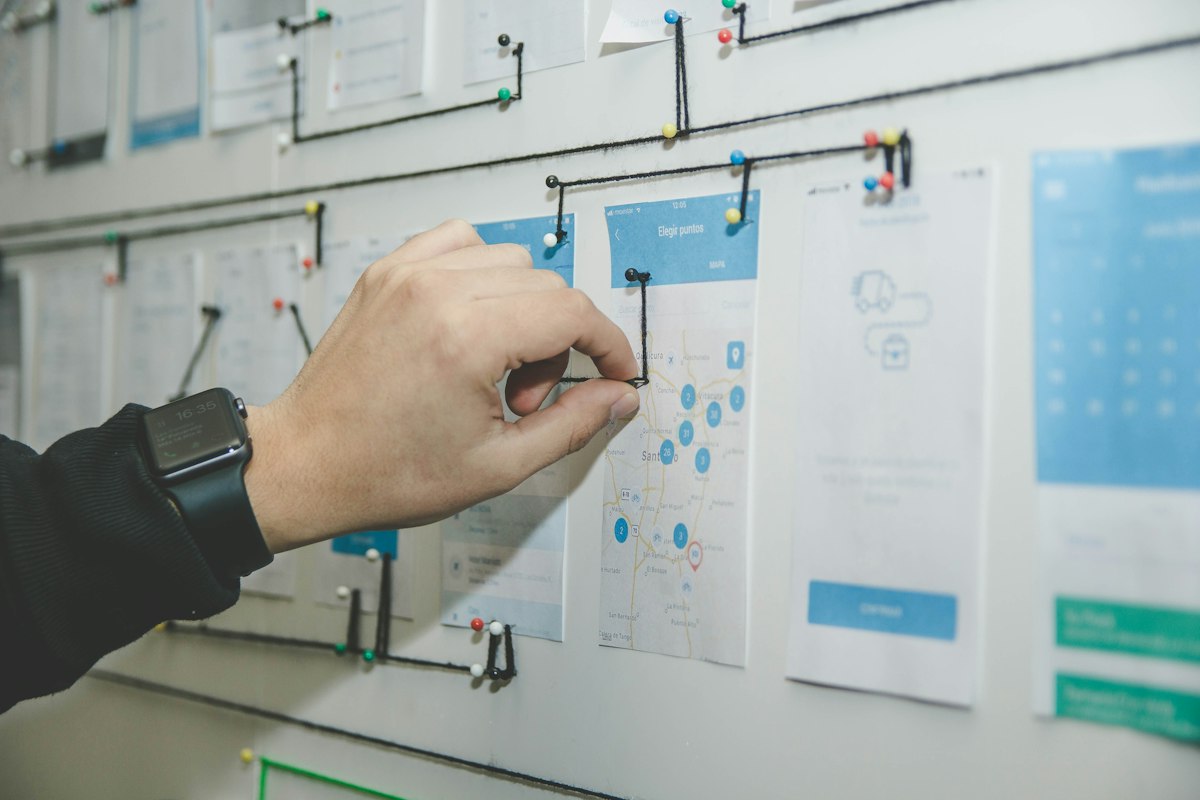
- Strategy call. We pin down the product, the ideal customer, and the single action the video should drive.
- Script and storyboard. You approve the structure before a frame is animated, which is where most agency budgets quietly die.
- Motion and polish. Animation, typography, and sound built to your brand colours, fonts, and logo.
- Ship and iterate. Final assets in every format you need, plus cutdowns for the channels you are running.
Four steps, three to five business days, revisions included and the number agreed up front. The practical consequence is timing. A launch window is measured in days, so a video that lands inside it is a launch asset and the same video a month later is an archive piece.
Common Questions
What does a SaaS specialist video studio do differently?
It treats animation as the core discipline instead of the finishing layer. A generalist agency is organised around shoot days, so a software brief gets routed through a pipeline built for something physical and the product ends up as a laptop screen in the background. A SaaS specialist builds the interface as motion, uses typography to control the order claims arrive in, and animates the numbers that carry the value proposition. Same brief, completely different structure, and the structure is what determines the cost and the timeline.
Why not just hire a general video agency?
You can, and for a product with physical presence you probably should. For software you are paying for a capability the brief does not use. The camera package, the location, the casting, and the crew day rate are the dominant line items on a live action budget and none of them put your product on screen. Meanwhile the animation that does put it on screen is usually subcontracted, which adds both cost and the handoff delay that quietly eats a fortnight from most agency schedules.
Does specializing in SaaS make the work look generic?
The opposite, in our experience. Repetition is in the pipeline, not the output. Because the production mechanics are solved, the creative time goes into the parts that differentiate: how your specific workflow is visualised, how your brand behaves in motion, and what the piece sounds like. Studios that produce interchangeable work are usually running a template on the creative and improvising the process, which is exactly backwards.
How much does a SaaS explainer video cost?
Expect roughly a third of a conventional production agency quote for work of the same creative standard. That gap is structural rather than a discount, because an animated explainer carries no camera package, location fee, casting, or crew day rate. What moves the price is runtime, how many aspect ratio versions and ad cutdowns you need, and how much brand system already exists. You get a fixed number in writing before anything starts.
Can you match our existing brand?
Yes. A logo file, your palette, and your typefaces are enough for the motion design to be built natively in your brand rather than skinned to it afterwards. Plenty of early stage startups arrive without any of that settled, in which case we define a small visual language first and hold it across the explainer, the hero loop, and every ad cutdown, so the output reads as one product instead of four unrelated experiments.
Do you work with teams outside the US?
Yes. The work is remote by nature because there is no shoot to attend. We deliver worldwide, run the strategy call over video, and share review links at every stage. Timezone has no meaningful effect on a three to five day turnaround when the pipeline is asynchronous.
The Bottom Line
Specialization is not a claim about taste, it is a claim about structure. We removed the shoot, kept animation at the centre, put AI on the grind work and humans on the judgment, and built the same narrow set of assets enough times to deliver them in days. That is why a SaaS brief costs 60 to 70 percent less here than at a live action agency and arrives inside your launch window rather than after it. If your product lives on a screen, the only honest way to show it is to animate it.
Make your product obvious
Holly Films makes AI powered motion graphics and video for SaaS. Product explainers, demos, onboarding, launch films, and ad creative. Delivered in 3 to 5 days at 60 to 70 percent below traditional agency cost. Visit hollyfilms.com/for/saas to get started.